
The argument in favor of using filler text goes something like this: If you use any real content in the Consulting Process anytime you reach.

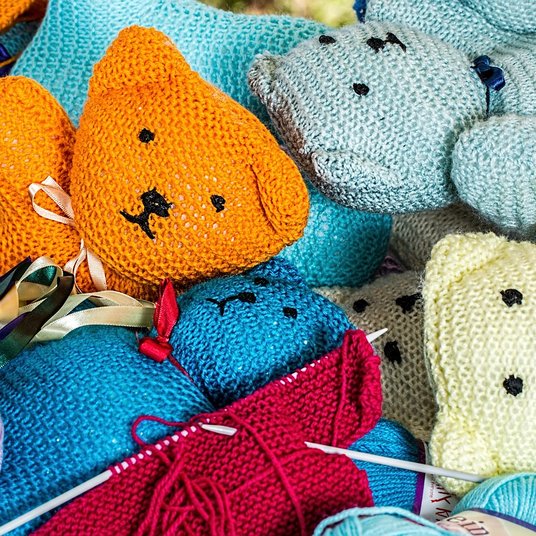
A Beginner's Guide to Hand-Stitching Plush Toys
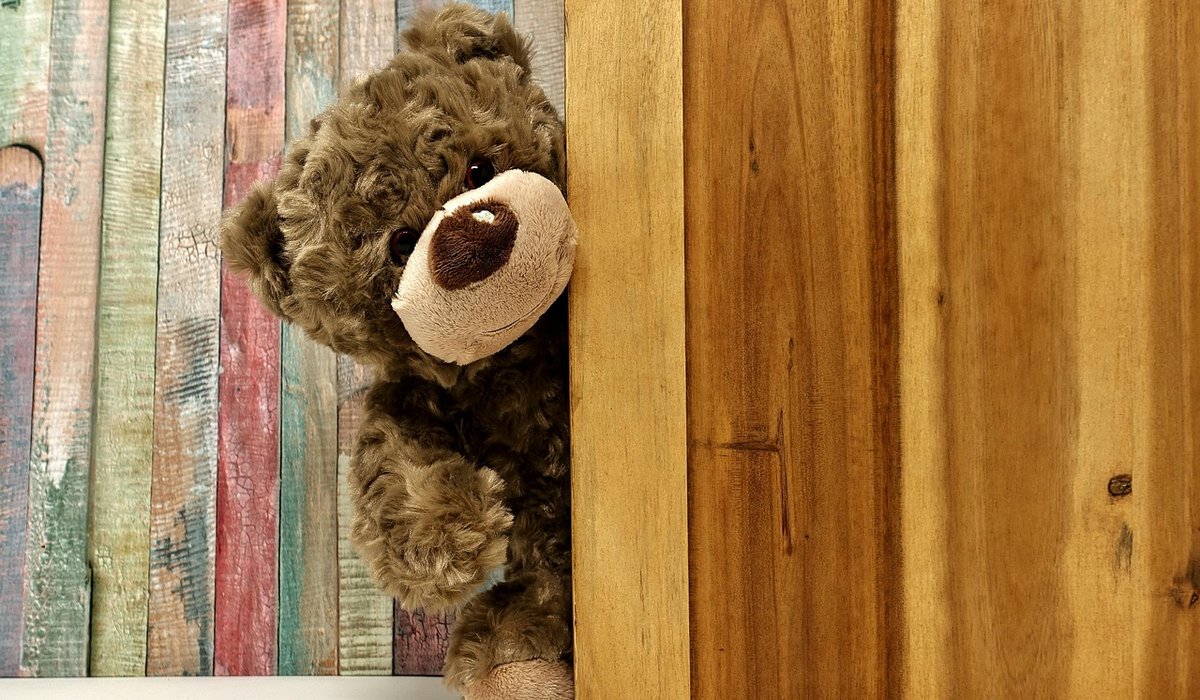
Why Hand-Stitching Suits Soft Toys
Soft toys are awkward things to sew. The shapes are small and curved, the fabrics are often thick or furry, and the most important seams are the ones you close after stuffing, when the toy is already three-dimensional and a sewing machine simply cannot reach. Hand-stitching solves all of that. It is slower, but it gives you something a machine never will: the ability to feel exactly where the needle is and how much tension the fabric will take.
The three stitches below — ladder stitch, blanket stitch and a well-worked backstitch — will cover almost everything a beginner needs, from making a first rabbit to patching one that has been loved flat.
Your Starter Kit
You do not need much, but the right small tools make a real difference.
- Needles: size 7–9 sharps for cotton and felt, plus one long doll needle (8–10 cm) for attaching limbs and drawing thread through stuffing.
- Thread: strong polyester or polyester-cotton, around 40s/2 weight. Cheap cotton snaps under the pull of a stuffed toy. Upholstery thread is useful for jointed limbs.
- Extras: small sharp embroidery scissors, pins or sewing clips, a water-soluble pen, polyester toy filling, and a chopstick or blunt pencil for pushing out corners.
- Optional but kind to your hands: a thimble and a little beeswax to stop thread tangling.
Thread, Knots and Tension
Cut thread about 50–60 cm long — any longer and it knots itself out of spite. Fold it double, thread both ends through the eye, and tie a double knot at the tail so the needle cannot slip off. Anchor the knot inside the seam allowance or, if you are working on a finished toy, bury it: take a tiny stitch, pass the needle through the body, and come out somewhere it will be hidden by stuffing.
Tension matters more than speed. Pull each stitch snug so the fabric meets neatly, but not so tight that the seam puckers or the fabric frays. If you see little dimples along your stitching line, you are pulling too hard.
Ladder Stitch: The Invisible Closer
This is the stitch you will use most, because it is how you close a toy after stuffing and how you mend a burst seam invisibly.
- Bring the needle out through the fold of one edge, with the knot hidden inside.
- Take a small horizontal stitch directly opposite, catching just a couple of millimetres of fabric, and pull through.
- Cross back to the first side and repeat, keeping the stitches evenly spaced about 4 mm apart.
- Every four or five stitches, give the thread a gentle pull. The two folded edges will draw together and the stitches will vanish into the seam.
- Finish with two tiny stitches in the same spot to lock the thread, then bury the tail inside the toy.
Because the thread runs through the folded fabric rather than across the gap, ladder stitch flexes with the toy instead of snapping when it is squeezed.
Blanket Stitch: Tidy Edges and Sturdy Openings
Blanket stitch is ideal for felt toys, appliqué details and any edge where the raw fabric will be seen. It wraps the edge, so it stops felt from stretching and gives a neat, slightly raised border.
- Bring the needle up just below the edge, about 5 mm in from the side.
- Hold the thread down with your thumb and take the needle back down at the same point, then up again 5 mm further along, passing over the loop of thread.
- Pull gently downwards so the loop sits snugly on the edge. Repeat.
Keep the spacing even at around 4–5 mm for toys; tighter looks fussy, wider leaves gaps that stuffing can poke through.
Seams That Hold: Backstitch and Reinforcement
For the main body seams, backstitch beats running stitch every time. Bring the needle up, take a 3 mm stitch forward, then come back up through the end of the previous stitch before moving on. The result is a continuous, interlocking line almost as strong as a machine seam.
A few habits will make your toys survive real hugs:
- Use a 6 mm seam allowance on woven fabric and a generous 1 cm on fur, which sheds fibres as you work.
- Clip curves and notch corners before turning, so seams sit flat rather than bunching.
- Stitch limb attachments twice, slightly offset, and finish with the thread buried inside the body rather than knotted on the surface.
- Backstitch the first and last centimetre of every seam, where stress gathers.
Washing and Gentle Repairs
Most hand-stitched toys wash well if you treat them kindly. Brush or vacuum off surface dust first, then hand wash in cool water (30°C or below) with a mild detergent. Squeeze the water through rather than wringing, roll in a towel to blot, and dry away from radiators — direct heat can shrink stuffing and dull faux fur. Brush the pile back into place while it is still slightly damp.
For repairs, act early: a small hole closed with ladder stitch takes five minutes, while a torn seam means re-stuffing and reshaping. Keep a small repair kit with a needle, a card of strong thread and a spare handful of filling, and check paws, ears and neck seams after every wash. Done patiently, a hand-stitched toy can be mended again and again, growing more familiar with every careful stitch.

Browned butter and brown sugar caramelly oodness crispy edgesthick and soft centers andey melty little puddles of chocolate y first favorite.Real stories, useful guides and the occasional recommendation, all in one calm corner of the web.
Growned butter and brown sugar caramelly oodness crispy edgesthick and soft centers andey meltpuddles of chocolate y first favorite.Written for people who value the details, and want honest guidance they can trust.
Gentle surface cleaning, controlled humidity, and careful storage help preserve fragile fur, glass eyes, and old stuffing for future generations to enjoy.
Thomas A. Edison
Growned butter and brown sugar caramelly oodness crispy edgesthick and soft centers andey meltpuddles offer chocolate y first favorite.Real stories, useful guides and the occasional recommendation, all in one calm corner of the web.e breathing, we blessed. Surround yourself with angels.

Customer Engagement Marketing New Strategy for the Economy
Inspect seam density, thread tension, and reinforced joints before buying any cuddly companion that needs to withstand daily play and washing.
- Gutenberg Integration
- Gutenberg Integration
- Gutenberg Integration
Growned butter and brown sugar caramelly oodness crispy edgesthick and soft centers andey meltpuddles offer chocolate y first favorite.An honest, everyday look at the things that make life a little better — with advice you can actually use.e breathing, we blessed. Surround yourself with angels.

Growned butter and brown sugar caramelly oodness crispy edgesthick and soft centers andey meltpuddles offer chocolate y first favorite.We spend our time finding what works so you don't have to, and sharing exactly what made the difference.e breathing, we blessed. Surround yourself with angels.

Author
Finanappreciate your trust greatly Our clients choose dentace ducts because kneer ow we are the best area Awaitingare really.

Previous Post


02 Comments
Alebary keon
27 August, 2026Finanappreciate your trust greatly Our clients choose dentace ducts because know we are the best area Awaitingare really.
Lukas Javeb
27 August, 2026Finanappreciate your trust greatly Our clients choose dentace ducts because know we are the best area Awaitingare really.