
The argument in favor of using filler text goes something like this: If you use any real content in the Consulting Process anytime you reach.


Repairing Loose Eyes and Noses on Cuddly Toys
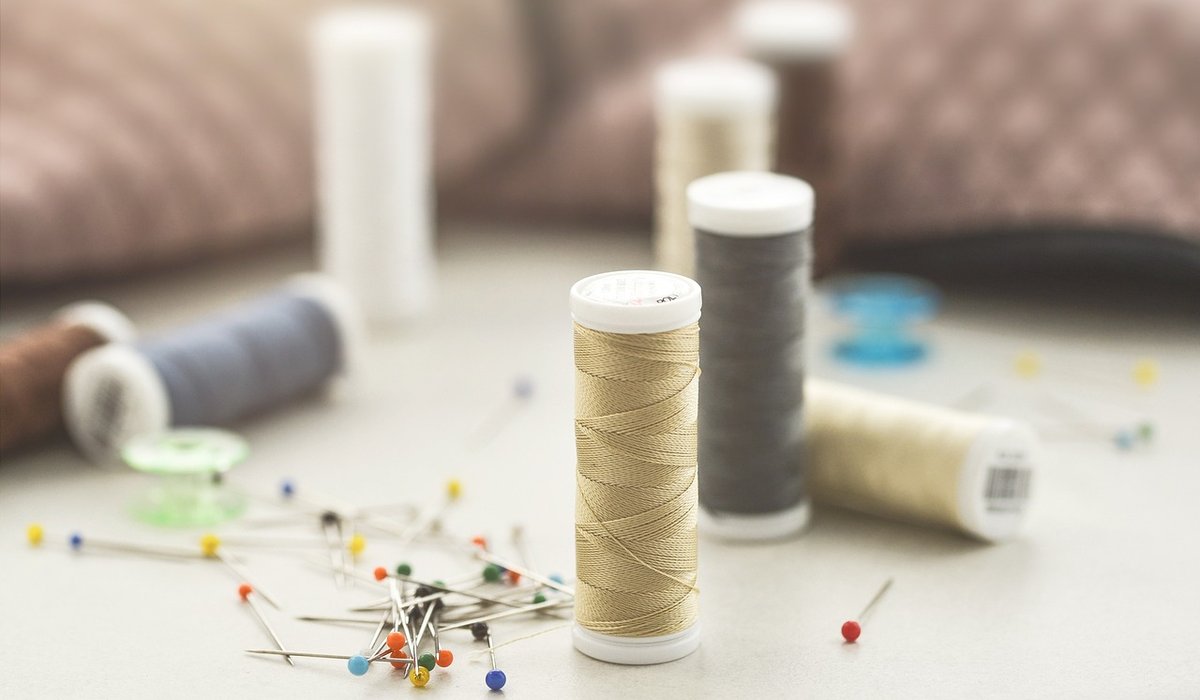
Why a Wobbly Eye Deserves a Proper Repair
A cuddly toy that has lost an eye or sprung a loose nose is rarely just a cosmetic problem. For babies and toddlers, a plastic eye that lifts away from the fabric is a choking hazard, and a bead or glued-on nose is worse still. For older children, the damage is more sentimental than practical, but the distress is real: a favourite rabbit with a crooked nose simply is not the same rabbit.
The reassuring news is that most loose features can be made secure again in twenty to thirty minutes, using a needle, some strong thread and a couple of small hardware pieces. What matters is doing it properly rather than reaching for the glue gun, which is the single most common mistake we see in repaired toys.
First, Work Out What You Are Dealing With
Turn the toy inside out as far as you can, or at least feel through the fabric behind the face, to identify the fixing. There are three broad categories, and each needs a different approach.
- Safety eyes — plastic domes with a ridged post at the back, held in place by a metal or plastic washer pushed firmly down the post. If the eye spins, lifts, or rattles, the washer has loosened or the fabric has stretched around it.
- Stitched features — noses, mouths and eyes worked in thread or yarn, usually anchored with a knot buried inside the head. If you can see loops lifting, or the knot has pulled through the fabric, it needs re-anchoring rather than simply re-sewing on the surface.
- Glued-on parts — felt patches, googly eyes and beads fixed with craft adhesive. These are the least secure of all and should generally be replaced rather than re-stuck.
If you cannot reach the back of the eye, open a short seam at the back of the head or under a limb using a seam ripper. Work slowly, one stitch at a time, and keep the seam allowance intact so you can ladder-stitch it closed afterwards.
Reinforcing Safety Eyes with Washers
Push the washer firmly down the post until it sits flush against the fabric, using a short length of dowel, the handle of a wooden spoon, or a thimble to apply even pressure without hurting your thumb. Check that no fabric is caught between washer and post, as trapped fabric is what causes eyes to sit crookedly.
Never rely on glue alone. Cyanoacrylate adhesive makes many plastics brittle and it stiffens the surrounding fabric, so a glued eye tends to snap off cleanly rather than hold. If the post is long enough to allow it, a second washer stacked behind the first adds real security. Then test the repair with a firm, sustained pull — wrap the toy in a tea towel first so your fingers do not slip. If it moves, start again.
Where the post has snapped or the fabric around the eye has worn thin, replace the eye and washer as a matched pair. Safety eyes are sold in millimetre sizes, commonly 6mm to 12mm, and mixing sizes from different sets rarely works well. If the fabric is weakened, reinforce the area from behind with a small circle of firm cotton or felt before fitting the new eye.
Re-stitching a Loose Nose
A wobbly embroidered nose is usually a tension problem rather than a thread problem. Thread a long needle with doubled polyester or upholstery thread and knot the end securely. Take the needle through the head so the knot finishes deep inside the stuffing, not near the surface where it can pull through.
- Sew through a small felt disc or flat button on the inside of the head to spread the load across a wider area.
- Re-work the nose in satin stitch, filling the shape evenly and keeping tension gentle so the surrounding fabric does not pucker.
- Finish with three or four tiny stitches in exactly the same spot, then bury the thread tail inside the head before trimming.
- For a nose that keeps loosening, work a second layer of stitching slightly offset for extra body.
Embroidered Features: the Safest Choice for Little Ones
For any toy destined for a child under three, embroidered features are the sensible default. Satin stitch, French knots, bullion knots and chain stitch all work beautifully on plush fabric and cannot be pulled free in the way a plastic eye can. A worn felt nose can also be built back up with needle felting, blending two or three shades of wool for a soft, natural finish.
Choose a thread one or two shades darker than the fabric so the feature reads clearly, and keep shapes large and flat rather than small and proud. If you are replacing a safety eye with embroidery on an older toy, stitch a small circle of matching fabric over the hole first, then work the new eye on top.
Aftercare and Knowing When to Stop
Wash repaired toys at 30 degrees inside a pillowcase, on a gentle cycle, and check every feature afterwards. Air dry away from direct heat, then give each eye and nose a gentle tug as part of your routine — it takes seconds and catches problems early.
If a toy is very old, the fabric brittle and the stuffing compacted, a proper repair may do more harm than good. In that case, retire it to a shelf, or keep it for supervised play only. A toy that is safe, whole and loved is always worth the half hour it takes to put it right.

Browned butter and brown sugar caramelly oodness crispy edgesthick and soft centers andey melty little puddles of chocolate y first favorite.Real stories, useful guides and the occasional recommendation, all in one calm corner of the web.
Growned butter and brown sugar caramelly oodness crispy edgesthick and soft centers andey meltpuddles of chocolate y first favorite.Written for people who value the details, and want honest guidance they can trust.
Selecting a first teddy means checking safety stitching, washable fabrics, and a size that suits tiny hands without overwhelming the cot.
Thomas A. Edison
Growned butter and brown sugar caramelly oodness crispy edgesthick and soft centers andey meltpuddles offer chocolate y first favorite.Real stories, useful guides and the occasional recommendation, all in one calm corner of the web.e breathing, we blessed. Surround yourself with angels.

Customer Engagement Marketing New Strategy for the Economy
Learn basic ladder stitch, blanket stitch, and secure seam techniques to create soft toys that survive hugs, repairs, and gentle washing at home.
- Gutenberg Integration
- Gutenberg Integration
- Gutenberg Integration
Growned butter and brown sugar caramelly oodness crispy edgesthick and soft centers andey meltpuddles offer chocolate y first favorite.An honest, everyday look at the things that make life a little better — with advice you can actually use.e breathing, we blessed. Surround yourself with angels.

Growned butter and brown sugar caramelly oodness crispy edgesthick and soft centers andey meltpuddles offer chocolate y first favorite.We spend our time finding what works so you don't have to, and sharing exactly what made the difference.e breathing, we blessed. Surround yourself with angels.

Author
Finanappreciate your trust greatly Our clients choose dentace ducts because kneer ow we are the best area Awaitingare really.

Previous Post


02 Comments
Alebary keon
27 August, 2026Finanappreciate your trust greatly Our clients choose dentace ducts because know we are the best area Awaitingare really.
Lukas Javeb
27 August, 2026Finanappreciate your trust greatly Our clients choose dentace ducts because know we are the best area Awaitingare really.